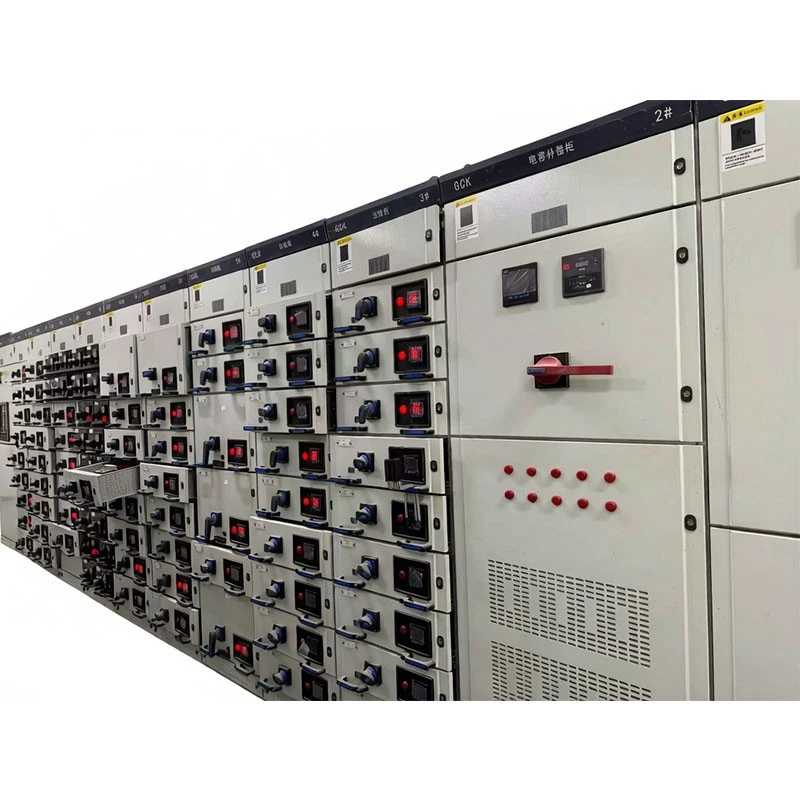
The outer shell of a prefabricated substation is like its armor; it needs to be both lightweight and robust. Modern manufacturing processes typically employ modular design:
Frame Welding: The main frame is assembled using high-strength steel, and welds undergo ultrasonic testing.
Panel Assembly: Double-layered aluminum-zinc coated steel plates are filled with fireproof rock wool, providing both heat dissipation and sound insulation.
Protective Treatment: Eight surface treatments are applied before powder coating to ensure rust-free performance for 20 years.
Precision Fitting of Core Components: The installation of internal equipment is like assembling a precision jigsaw puzzle:
Transformer Positioning: A three-dimensional leveling device is used, controlling the horizontal error within ±0.5mm.
Bus Connection: Silver-plated connectors combined with hydraulic crimping reduce contact resistance by 40%.
Intelligent Component Integration: Standard interface slots are reserved for future functional expansion.
Ideal Testing Before Shipment: Each piece of equipment undergoes tests more stringent than actual use:
Environmental Simulation: Continuous operation for 72 hours in an alternating temperature chamber from -40℃ to 70℃.
Load Impact: Repeated 0-100% load switching more than 200 times.
Safety Verification: Reliability testing of all insulation components is conducted using 10kV high voltage.