

Hey there! As a supplier of Lvsg Electrical products, I get asked a lot about how to choose the right stuff for different needs. It's a big deal because picking the wrong electrical product can lead to all sorts of headaches, like inefficiency, safety risks, or just plain not working the way you want it to. So, I'm here to break it down for you and help you make the best choice.
Understanding Your Needs
First things first, you gotta figure out what you actually need. Are you setting up a small home project, a big commercial building, or an industrial facility? Each of these scenarios has different requirements.
For a home setup, you might be looking for simple things like a Lv Switch Panel to control the lights and appliances. You want something that's easy to install and use, and most importantly, safe. Home electrical systems usually have lower power demands compared to commercial or industrial ones.
On the other hand, if you're working on a commercial building, you'll need more robust and reliable products. You might have to deal with a lot of electrical equipment, like computers, printers, and HVAC systems. In this case, you need products that can handle higher loads and provide stable power.
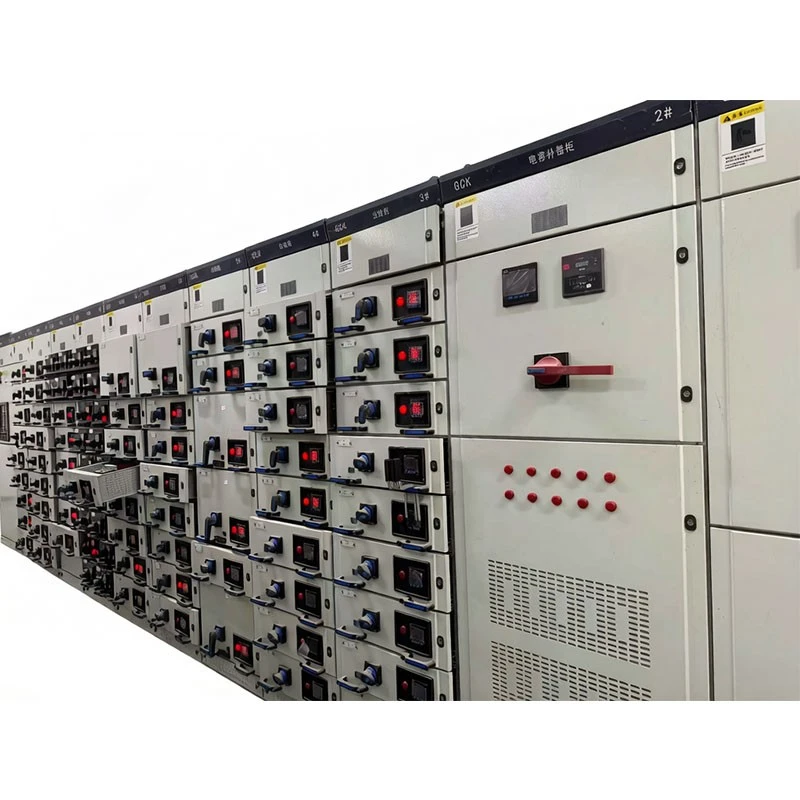
Industrial facilities are a whole different ballgame. They often require heavy-duty electrical products that can withstand harsh environments and high levels of electrical current. You might need things like large Lvsg Panel to manage complex electrical systems.
Consider the Power Requirements
Once you know what kind of project you're working on, you need to think about the power requirements. This is all about how much electricity your equipment needs to run properly.
You can start by looking at the power ratings of your devices. Most electrical equipment will have a label that tells you how many watts or amps it uses. Add up the power requirements of all the devices you plan to connect to the electrical system. This will give you an idea of how much power your Lvsg Electrical product needs to handle.
It's also important to consider future expansion. If you think you might add more equipment in the future, you should choose a product that can handle the additional load. It's better to have a little extra capacity than to be constantly upgrading your electrical system.
Look at the Quality and Reliability
Quality and reliability are key when it comes to electrical products. You don't want to end up with something that breaks down easily or causes electrical problems.
When choosing a Lvsg Electrical product, look for ones that are made from high-quality materials. Check for certifications and standards compliance. For example, products that meet international safety standards are generally a good choice.
You can also read reviews from other customers. See what they have to say about the product's performance, durability, and ease of use. If a product has a lot of positive reviews, it's a good sign that it's reliable.
Think About the Installation and Maintenance
Another important factor to consider is the installation and maintenance of the electrical product.
Some products are easy to install, while others might require professional help. If you're not very handy with electrical work, it's a good idea to choose a product that comes with clear installation instructions or can be installed by a professional.
Maintenance is also something to think about. Some products require regular maintenance to keep them in good working condition. Make sure you're willing and able to do the necessary maintenance, or choose a product that has low maintenance requirements.
Cost Considerations
Cost is always a factor when making a purchase. But remember, the cheapest option isn't always the best. You need to balance the cost with the quality and features of the product.
Compare the prices of different Lvsg Electrical products. Look at what you're getting for your money. Sometimes, a slightly more expensive product might have better performance, reliability, or features that make it worth the extra cost.
You can also consider the long-term cost. A product that has a higher upfront cost but lower maintenance and energy costs might be a better investment in the long run.
Compatibility with Existing Systems
If you're adding a new Lvsg Electrical product to an existing electrical system, you need to make sure it's compatible.
Check the voltage, current, and other specifications of your existing system. Make sure the new product can work with your current setup. If there are any compatibility issues, it could lead to problems like electrical malfunctions or even damage to your equipment.
Seek Professional Advice
If you're still not sure which Lvsg Electrical product is right for you, don't hesitate to seek professional advice. You can talk to an electrician or an electrical engineer. They have the knowledge and experience to help you make the right choice.

They can also help you with the installation and maintenance of the product. A professional can ensure that everything is set up correctly and safely.
Conclusion
Choosing the right Lvsg Electrical product for your needs isn't always easy, but it's definitely doable. By understanding your needs, considering the power requirements, looking at the quality and reliability, thinking about installation and maintenance, factoring in the cost, ensuring compatibility, and seeking professional advice, you can make an informed decision.
If you're interested in purchasing Lvsg Electrical products, I'd love to have a chat with you. Let's discuss your specific requirements and find the perfect solutions for your project.
References
- Electrical Engineering Handbook, various editions
- Industry standards and guidelines for low-voltage switchgear